Then and Now – 25 years of citizen involvement following the Exxon Valdez oil spill

Twenty-six years ago today, the Exxon Valdez struck Bligh Reef in Prince William Sound, spilling an estimated 11 million gallons of crude oil into Prince William Sound. While the immediate cause of the spill lies with the captain and crew, complacency on the part of the oil industry, regulators, and the public played a part in the disaster.

Many improvements have been made since 1989. Regulators, the oil industry, and citizens have all worked together to improve the prevention and response system in the Sound. Among many other improvements:

  • Tankers are all double-hulled
  • Loaded tankers are all escorted by two powerful tugs with response equipment on board
  • Local fishermen are contracted and trained to help respond to an oil spill
  • Oil spill contingency plans containing details on how to prevent and respond to an oil spill are now mandatory

Despite improvements, constant vigilance is still needed to prevent a return of the complacency that allowed the Exxon Valdez spill to happen.
Read more

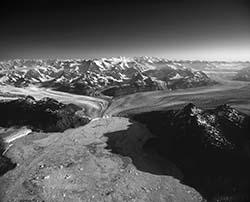
First known freshwater springs found beneath the face of Columbia Glacier

Researchers working with the council have found what are believed to be the first documented freshwater springs found at the base of a tidewater glacier in Alaska.

Columbia Glacier
Columbia Glacier

This investigation was conducted by the Prince William Sound Science Center in support of ongoing council research focused on Columbia Glacier. Columbia Glacier has historically contributed to several maritime accidents related to the transportation of crude oil through Prince William Sound. The Glacier has been retreating rapidly from its terminal moraine near Heather Island since the early 1980s. Columbia Glacier’s main face is some 11 miles from Heather Island now. Icebergs produced by the glacier routinely cross into marine traffic lanes, posing a risk to crude oil tankers and their support vessels.

“The survey found several small freshwater springs in the bottom of the bay – places where fresh, clear water was seeping out of the bottom and mixing with the cloudier, saltier water of the bay, “ said Dr. Robert Campbell, researcher for the Prince William Sound Science Center.

Read more

January 2015 Observer newsletter

The January issue of The Observer newsletter is now online! We have information about Alyeska’s plans to fix spots of corrosion in the terminal’s piping, an update on recent spill drills in Prince William Sound, the revised oil spill educational curriculum, and more:

Read more

Resolution 15-03: Urging expeditious action by the Governor of Alaska and the Alaska Legislature to amend the existing State Oil and Hazardous Substances Release Prevention and Response Fund

Urging expeditious action by the Governor of Alaska and the Alaska Legislature to amend the existing State Oil and Hazardous Substances Release Prevention and Response Fund funding mechanisms and, as may be necessary, to establish requisite ancillary funding mechanisms to support and sustain an adequately robust oil and hazardous substances release prevention and response program. … Read more

Skip to content