When the Exxon Valdez ran aground in 1989, oil spill cleanup equipment was not ready to go. Some of it was buried in snow, other equipment was not operating. The first three days after the spill, the weather was calm, but responders could do little without equipment.
Today, Alyeska’s Ship Escort Response Vessel System and the tanker companies are required to practice throughout the year by implementing various aspects of spill response plans. One of the Council’s major tasks is to monitor these drills and exercises to verify that responders are prepared to mount a quick response if prevention measures fail.
Each year, the Council releases an annual summary of these events from the previous year. The latest report is now available: 2025 Annual Drill Monitoring Report
Highlights from this report
In 2025, the Council reported on 11 drills and exercises. These were generally well-done with no major problems observed.
More in-person, fewer virtual events
Following the COVID-19 pandemic, many drills, exercises, and trainings took advantage of virtual meeting technology in the interest of personnel health. Recently, many of these have been returning to fully, or mostly, in-person events. When working with equipment such as skimmers and boom, hands-on training is more effective. Some situations where online training was found to be as effective as in person have remained virtual, such as the HAZWOPER classroom portion of SERVS’ annual training for fishing vessel response.
Real-time weather during tanker spill
During the annual tanker spill exercise, conducted last year by ConocoPhillips and Polar Tankers, responders had to react to real weather reports, including tides and currents. Incorporating real weather and forecasts provided a chance to respond to a different set of challenges because the weather in the Gulf of Alaska would have hindered the response vessels coming from Prince William Sound.
More exercises during low visibility needed
The Council’s annual reports also track issues that remain unaddressed. One of these concerns is conducting exercises in low-visibility situations. Alaska’s latitude and climate mean visibility is reduced a lot of the year. In winter, daylight is short and weather conditions can bring thick fog, increasing the likelihood of responders encountering a low visibility situation during a real event. The last time an exercise was held during darkness was over five years ago.
Testing changes to contingency plans
Drills and exercises aren’t just an opportunity to practice techniques. They are also important to verify that plans will work as intended. Several new contingency plans were submitted recently and details in these plans should be tested.
Towing exercises beneficial for tanker crews
The powerful escort tugs that are part of SERVS’ system are required to participate in a minimum of four tanker towing exercises per year. These exercises provide valuable training for the crews of the SERVS tugs and those of the tankers of the companies that volunteer to participate regularly. Observers noted that rotating through tankers, particularly vessels that may be new to the system, would provide valuable training opportunities that increase readiness.
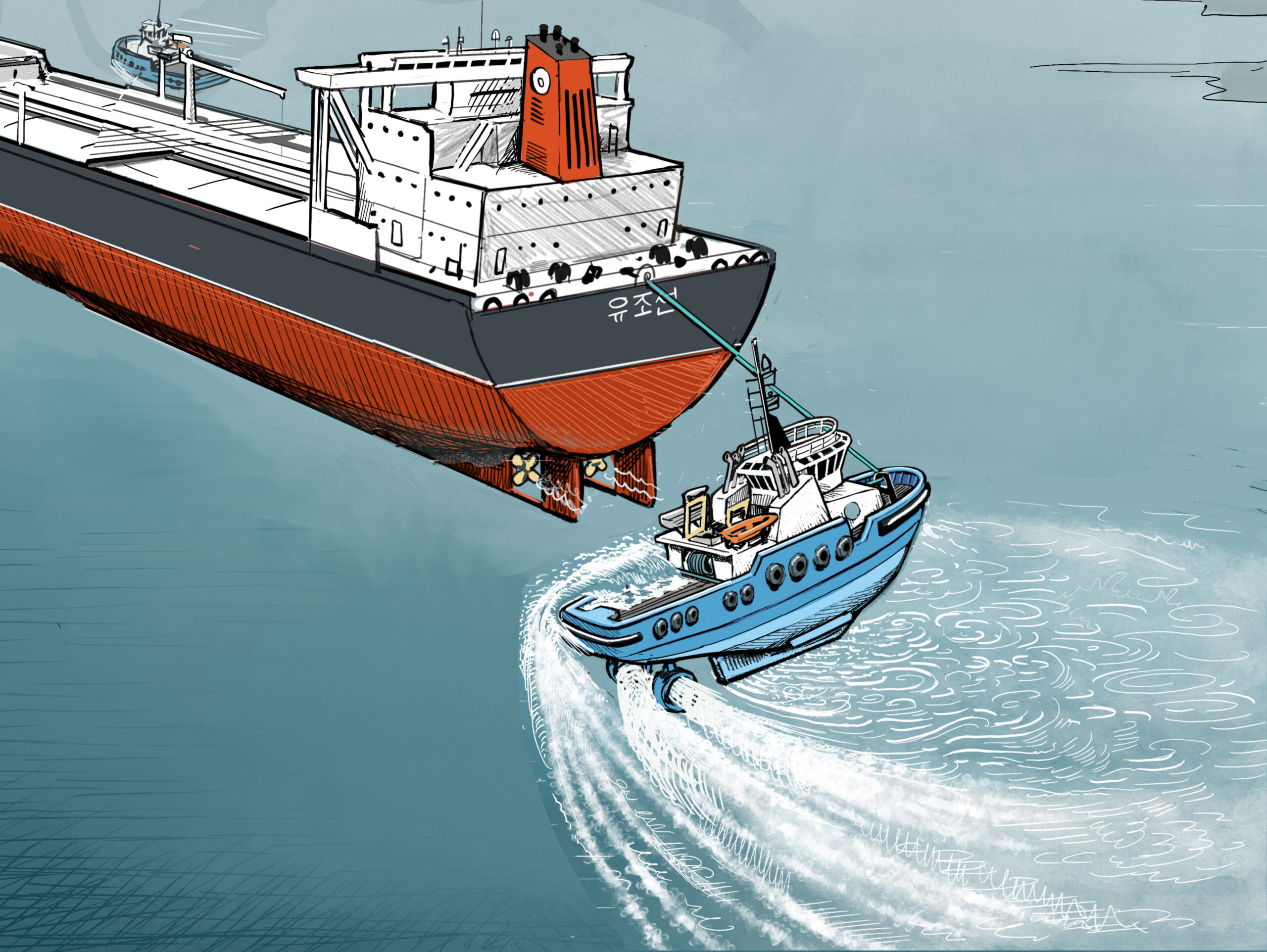
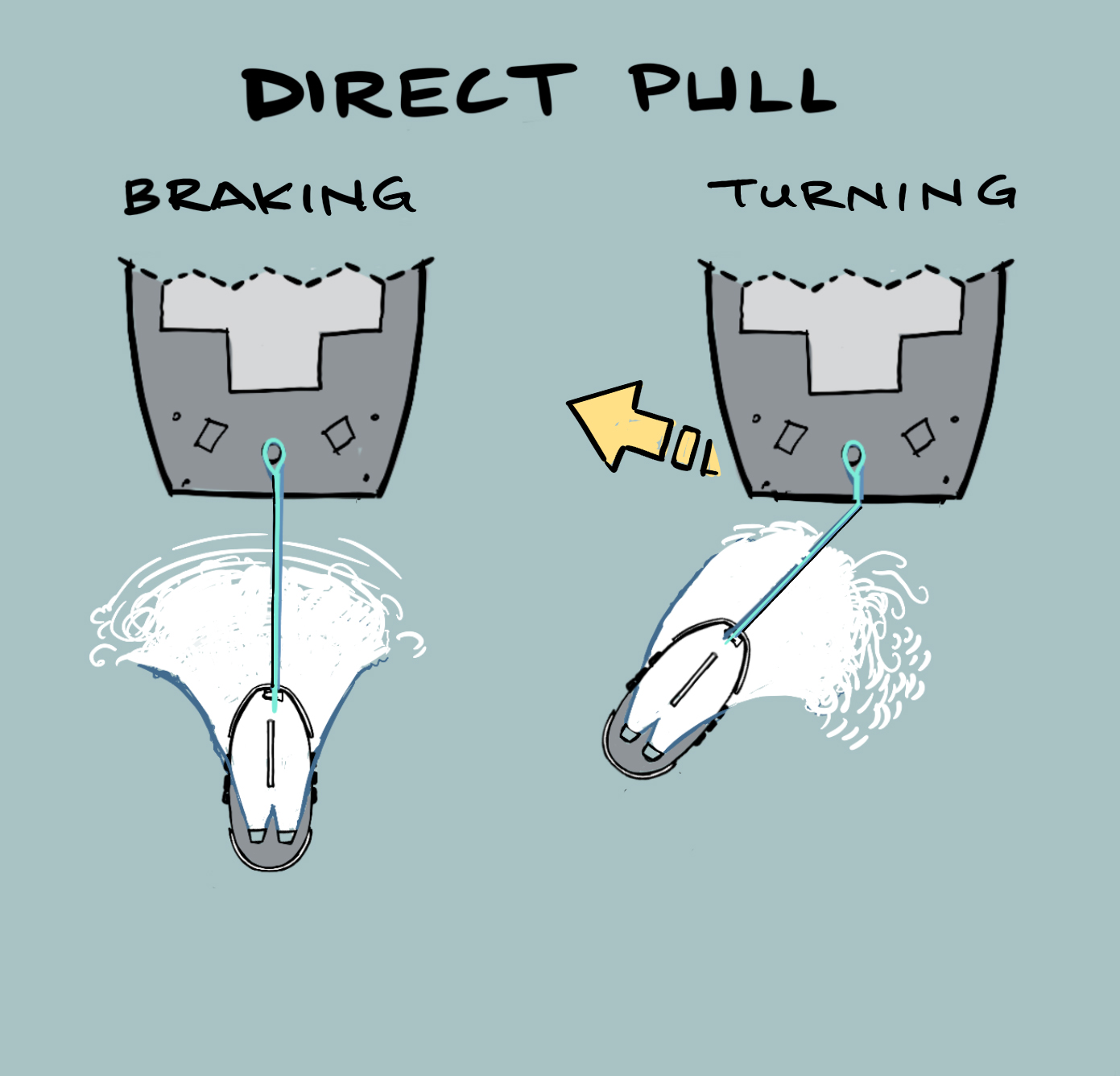
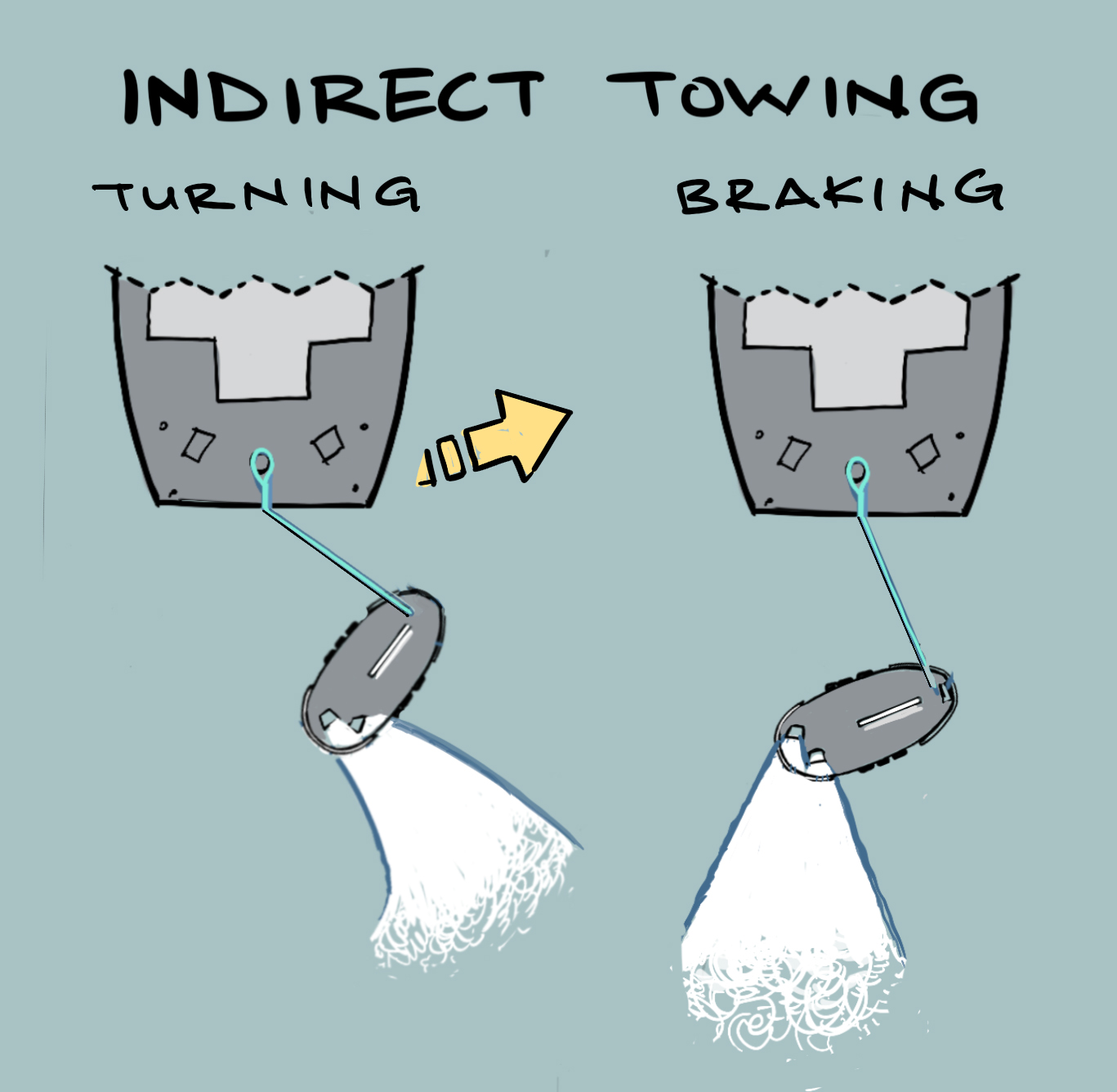
Illustrations by Tom Crestodina for the new book “Protectors of Prince William Sound.”