Citizen oversight leads to safer transportation of oil

Photo of Donna Schantz
Donna Schantz, Executive Director

By Donna Schantz
Executive Director

Of all the advances made in the safe transportation of oil since the 1989 Exxon Valdez oil spill, perhaps the most innovative and significant was the establishment of permanent, industry-funded citizen oversight for both Cook Inlet and Prince William Sound. While the citizen advisory groups established in Alaska after the spill were modeled after the advisory committee set up for the Sullom Voe Terminal in the Shetland Islands, throughout the world, most oil development still takes place without citizen involvement. In Prince William Sound, many of the safety improvements now in place are a direct result of partnerships between industry, regulators, and citizens.

March 24, 2024, will mark 35 years since the Exxon Valdez disaster. This year will also mark 34 years since the formation and incorporation of PWSRCAC. The Council recently reconnected with several of our founding members to discuss why they think our organization is still relevant today, with quotes from those conversations featured in our most recent “Year In Review” report.

You can read more about their thoughts on how and why the Council was formed in our publication “Stories from a citizens’ council,” rereleased in 2023.

All of the early Council Board and committee members witnessed firsthand the devastating effects of the oil spill. Some of them are still volunteering for the Council more than a quarter of a century later. These experiences played a big part in the passion and drive of all parties to put systems in place designed to prevent another accident, and to make sure there are adequate trained personnel, and enough equipment available, to respond immediately should prevention measures fail and another spill occurs.
Read more

35 years after Exxon Valdez

How has oil transportation changed in Prince William Sound? In 1989, the few measures in place were inadequate to prevent the Exxon Valdez oil spill and the available response resources were insufficient to contain and clean it up. Congress found that complacency among the oil industry, and the regulatory agencies responsible for monitoring the operation … Read more

Tim Robertson: Real-life experiences improve oil spill response

Volunteer Spotlight

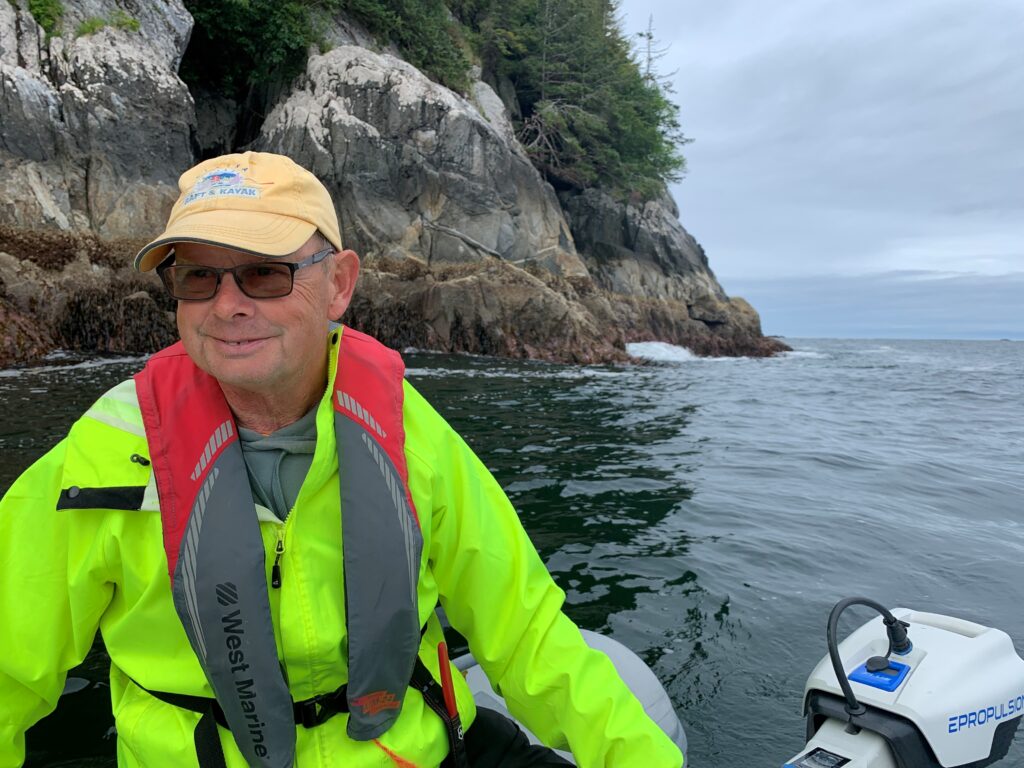
Photo of Tim Robertson on a small motorized boat on the ocean with a rocky coast in the background.
Tim Robertson is a member of the Council’s Oil Spill Prevention & Response Committee. The committee works to minimize the risk and impacts associated with oil transportation through research, advice, and recommendations for strong and effective spill prevention and response measures, contingency planning, and regulations.

Growing up in western North Carolina, over 3,000 miles away from Alaska, Tim Robertson and his brothers Roy and Andy knew all about the 49th state. His dad was obsessed.

“If there was a TV show or a movie or anything about Alaska, he drug the whole family to see it,” Robertson says. All three brothers ended up moving here.

These days Tim splits his time between Alaska and Hawaii. At first glance, it might seem like the two states are very different, but Tim’s values are present in both.

“I’m a small-boat guy on big water,” he says. “There’s the same connection with the ocean. A lot of mornings I watch the sun rise from the water. It’s a big part of what I am.”

Robertson spent his first few years in Alaska working in an oil-related field, first as a research biologist for Alaska Department of Fish and Game, then for an oil field service company.

He dreamt of a different career though. Robertson acquired land in Seldovia in 1985, and partnered with another family to build Harmony Point Wilderness Lodge, an ecotourism business. They had only been in business a few short years when the Exxon Valdez ran aground.

“The first time I ever heard of ICS [Incident Command System] was when we had a community meeting after the spill,” says Robertson.

Read more

Skip to content