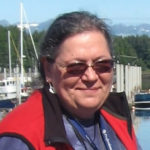
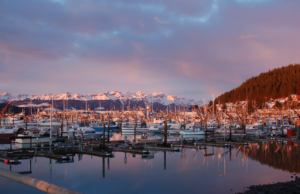
In 1989, when a young Patience Andersen Faulkner was working as a legal aide in the picturesque town of Cordova, disaster struck when crude oil spilled into Prince William Sound from the tanker Exxon Valdez. Part of her job was to listen to the folks who came into the law office talk about their experiences … Read more
Patience Andersen Faulkner creates beautiful beadwork, leatherwork, hand-knitted items, traditional drums, and baskets among other artistic endeavors.
But she is also a lifelong student of the art of conversation. Only a few minutes into a chat, and the listener feeling valued, respected, and entertained.
By Betsi Oliver Outreach Coordinator After the Exxon Valdez oil spill, a Council project assessed the social impacts of the spill and developed resources that could be used by small communities to help with healing. An oil spill has complex and long-lasting impacts on the social and emotional health of a community, more than a … Read more
Until 2010, the 1989 Exxon Valdez oil spill was the largest oil spill disaster in U.S. waters. That March, people around the world turned on the news to see our devastated wildlife and beaches. No one doubted that the environment of Prince William Sound and other downstream areas were hurt. What was not apparent to almost everyone was the short and long term damage to the people in the region’s communities.
Technological disasters, such as an oil or chemical spill, a nuclear accident, or a large building fire or collapse, affect communities differently than natural disasters. A technological disaster is caused by humans, and there is a person or persons who can be blamed for the incident. Natural disasters have no one to blame. Natural disasters, such as floods, hurricanes, and earthquakes, can often be predicted and prepared for. Technological disasters are often unexpected.
After the Exxon Valdez spill, the council funded research on how technological disasters affect people living in the area compared to natural disasters.