PWSRCAC Board meeting scheduled for Seward in September will be virtual only

Update on COVID-19 impacts on Council activities The Council is scheduled to hold a Board meeting on Thursday and Friday, September 17 and 18, 2020. The decision was made by the Board to hold the meeting through virtual attendance only, by video/teleconference. The meeting schedule and agenda will be released the week prior as usual. … Read more

Council announces election of Board officers

The Council held its annual Board meeting by videoconference, on May 7-8, 2020.  Among other business, the Board convened to elect officers who will serve from May 2020 to May 2021. All current officers were re-elected into the same positions they held for the previous year. The elected executive committee is comprised of: President: Robert … Read more

Council’s annual board meeting will be virtual, May 7-8

The Council will hold a virtual board meeting, via video and teleconference, on Thursday and Friday, May 7-8, 2020. Due to coronavirus concerns, no in-person attendance will be permitted. Those interested in attending can do so by teleconference (1-888-788-0099, meeting ID: 216 315 997) or video conference. Visual presentations given during the meeting can be … Read more

News release: Public input needed to safeguard state protections

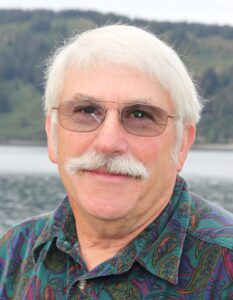
Photo of Robert Archibald
Robert Archibald is the president of the board of directors for the Prince William Sound Regional Citizens’ Advisory Council and has lived in Homer since 1984. Archibald spent 46 years as a mariner, including service in the U.S. Coast Guard and 32 years as chief engineer on Crowley Marine Service vessels in various locations, 22 of which were in Valdez, before retiring in 2014.

By Robert Archibald 
Board President

Also published in the Anchorage Daily News

In 1971, the Alaska Legislature formed the Department of Environmental Conservation to take the lead on Alaska’s environmental protections. DEC’s mission, set by the legislation which formed it, is: conserving, improving, and protecting Alaska’s natural resources and environment to enhance the health, safety, economic, and social well-being of Alaskans.

Now, here we are, 30 years after the Exxon Valdez oil spill and the creation of regional citizens advisory councils in Alaska, and coming up on 30 years since the passage of the Oil Pollution Act of 1990. The world-class oil spill prevention and response system in Prince William Sound is a direct result of post-Exxon Valdez spill laws and regulations designed to protect Alaska. These strong statutes and regulations are one of the main reasons why Prince William Sound has not had a major oil spill since.

Currently, DEC is undertaking a “scoping process,” asking for comments from industry and the public on oil spill prevention and response regulations and statutes, which the DEC Commissioner has stated have become “onerous and burdensome” to business. The deadline to comment, March 16, 2020, is quickly approaching.

(Update: November 2021)

Read more

Skip to content